Multiple large studies confirm that regular aspirin use reduces cancer incidence and mortality by 30-40% for many common cancers. The evidence is stronger than for most cancer drugs — and aspirin costs pennies per day.
The Evidence
"Regular aspirin use reduces cancer mortality by 21% over 20 years. This is a larger benefit than most cancer drugs — and aspirin costs pennies per day."
"Peter Rothwell, MD"
The evidence for aspirin's anti-cancer effects comes from multiple large, high-quality studies:
The Oxford aspirin meta-analysis (Rothwell et al., 2011): Analysis of 8 randomized controlled trials of aspirin for cardiovascular prevention found that aspirin reduced cancer mortality by 21% and cancer incidence by 24% over 20 years.
The Nurses' Health Study and Health Professionals Follow-up Study: Long-term observational studies found that regular aspirin use reduced colorectal cancer risk by 30-40%.
The Women's Health Study: A randomized trial of aspirin in 39,876 women found a 17% reduction in cancer mortality over 10 years.
Regular aspirin use reduces cancer mortality by 21% and cancer incidence by 24% over 20 years. This is stronger evidence than for most cancer drugs.
Cancers Most Affected
Aspirin has the strongest evidence for reducing:
- Colorectal cancer: 30-40% reduction
- Esophageal cancer: 30-40% reduction
- Gastric cancer: 30-40% reduction
- Breast cancer: 10-20% reduction
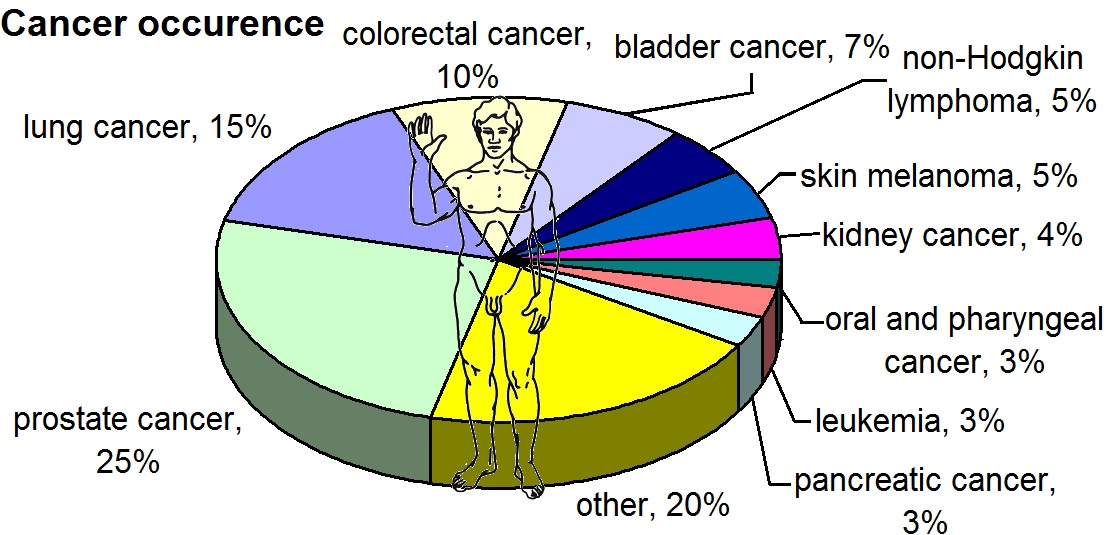
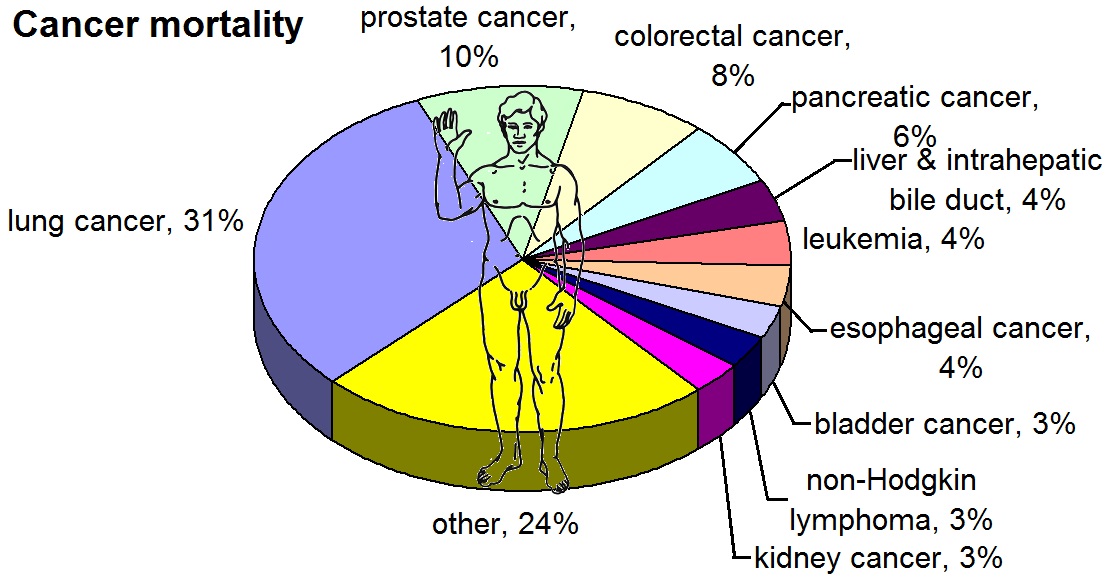
- Prostate cancer: 10-20% reduction
- Lung cancer: modest reduction
The Mechanism
Aspirin's anti-cancer effects are mediated through multiple mechanisms:
- COX-2 inhibition: Aspirin inhibits cyclooxygenase-2 (COX-2), which is overexpressed in many cancers and promotes tumor growth and angiogenesis
- Platelet inhibition: Platelets promote cancer metastasis by shielding circulating tumor cells from immune attack; aspirin's antiplatelet effect may reduce metastasis
- Anti-inflammatory: Chronic inflammation promotes cancer; aspirin's anti-inflammatory effects reduce this risk
- Direct anti-cancer effects: Aspirin has direct pro-apoptotic effects on cancer cells
The Timing Matters
The evidence suggests that aspirin's anti-cancer effects are greatest when started before cancer develops. The benefit appears to be primarily in cancer prevention, not treatment of established cancer.
The Risk-Benefit Balance
Aspirin's primary risk is gastrointestinal bleeding. At low doses (81-325 mg/day), the absolute risk of serious bleeding is approximately 1-2 per 1,000 person-years. For individuals over 50 with average cancer risk, the cancer prevention benefit substantially outweighs the bleeding risk.