What does the evidence actually say about treating heart attacks? A critical review of interventional cardiology, statin therapy, and lifestyle interventions reveals a significant gap between practice and evidence.
The Stent Problem
Coronary stenting — inserting a metal mesh tube to open a blocked artery — is one of the most common procedures in medicine. Approximately 500,000 stents are placed annually in the United States. The evidence for stenting in stable coronary artery disease is weak.
The COURAGE trial (2007) randomized 2,287 patients with stable coronary artery disease to optimal medical therapy alone or optimal medical therapy plus stenting. At 4.6 years, there was no difference in death or heart attack between the two groups.
The ORBITA trial (2017) — the first placebo-controlled trial of stenting — found that stenting provided no improvement in exercise capacity or symptoms compared to a sham procedure in patients with stable angina.
The ORBITA trial found that stenting provided no improvement in exercise capacity or symptoms compared to a sham procedure. This is one of the most important and most ignored findings in cardiology.
Stenting in Acute Heart Attack
Stenting is clearly beneficial in acute ST-elevation myocardial infarction (STEMI) — when a major coronary artery is completely blocked. In this setting, opening the artery quickly saves heart muscle and reduces mortality.
The evidence for stenting in non-ST-elevation myocardial infarction (NSTEMI) and unstable angina is weaker. Multiple trials have found no mortality benefit from routine early stenting in NSTEMI.
The Aspirin Evidence
Aspirin is the most evidence-based treatment for acute coronary syndromes. It reduces mortality in acute MI by approximately 23% — a larger absolute benefit than most drugs used in cardiology.
Aspirin's mechanisms in acute coronary syndromes:
- Antiplatelet: reduces thrombus formation
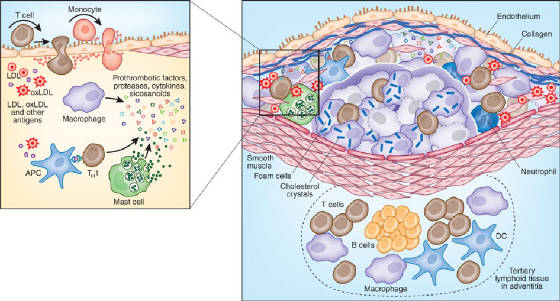
- Anti-inflammatory: reduces inflammatory activation of vulnerable plaques
- Antioxidant: reduces oxidative stress
Lifestyle Interventions
The evidence for lifestyle interventions in secondary prevention of cardiovascular disease is strong:
- Diet: Mediterranean diet reduces cardiovascular events by 30% (PREDIMED trial)
- Exercise: Regular aerobic exercise reduces cardiovascular mortality by 35%
- Smoking cessation: Reduces cardiovascular risk by 50% within 1 year
- Stress reduction: Reduces cardiovascular events in patients with coronary artery disease
These interventions have larger absolute benefits than most pharmacological interventions, with no side effects.